

Natural Sleep Remedies
Sleep problems no longer sit at the edges of public concern; they’ve marched straight into the centre of modern life. Across bedrooms, workplaces, and entire households, a common struggle hums beneath the surface: people are exhausted, wired, and wondering why rest feels so hard to come by. One in three adults doesn’t get enough sleep, and millions wrestle with chronic issues that leave them foggy in the morning and drained by afternoon—driving more people to explore Natural Sleep Remedies as a gentle, accessible way to regain nightly balance.
The consequences are far from subtle. Insufficient rest has been tied to heart complications, weight gain, unstable blood sugar, mood swings, and reduced emotional resilience. Yet despite how widespread the issue is, many people hesitate to rely on prescription sleep drugs, worried about side effects or the feeling of being artificially sedated.
This is where natural sleep remedies step in gentler approaches that support the body’s own rhythm instead of overpowering it. From targeted supplements to lifestyle shifts, these methods appeal to anyone looking for sustainable, holistic sleep solutions that align with long-term health rather than quick, temporary fixes.
This guide dives deeply into how natural sleep aids work, what the research shows, which remedies hold the strongest evidence, and how to build a lifestyle that supports consistent, restorative rest.
Understanding the Sleep Crisis and Natural Sleep Remedies
The Scope of the Problem
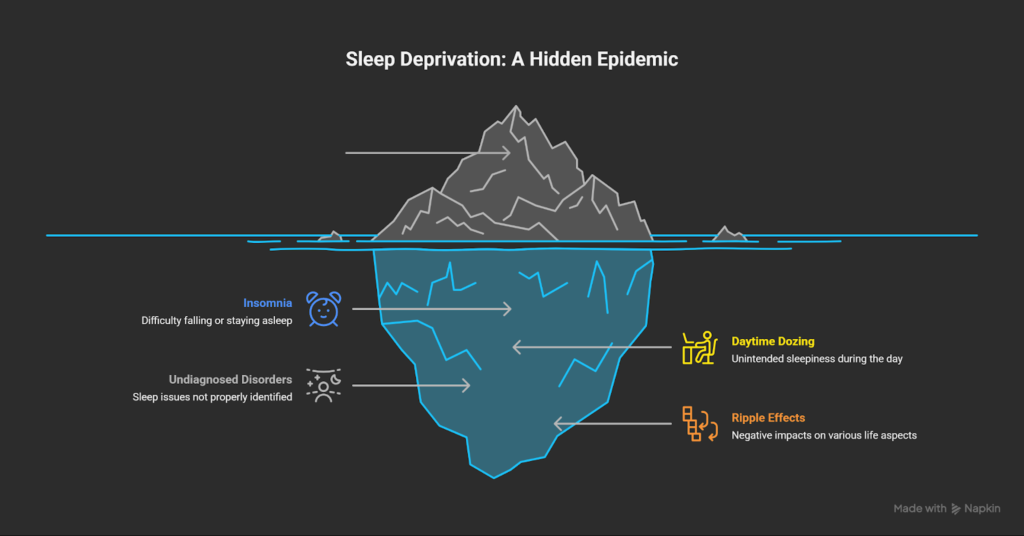
Sleep deprivation is everywhere. In the United States alone, tens of millions of people fail to meet the recommended seven-hour minimum. Government data reveals that:
· 14.5% of adults regularly struggle to fall asleep
· 17.8% frequently wake during the night and can’t return to sleep
· Nearly 40% report unintended daytime dozing every month, a clear sign of chronic fatigue
An estimated 50 to 70 million Americans live with ongoing sleep disorders, yet a massive percentage remain undiagnosed. The ripple effects touch relationships, productivity, safety, and overall well-being.
Who Is Most Affected?
Sleep struggles don’t impact everyone equally. Studies show:
· Women report more difficulty both falling and staying asleep
· Younger adults often struggle more with sleep onset
· Older adults face more night time awakenings and early-morning interruptions
Perhaps the most concerning detail is this: 80–90% of sleep disorders go undiagnosed. That means millions are navigating fatigue without guidance or treatment.
Why the Crisis Matters
Sleep is foundational. When it falters, the entire system begins to wobble. Chronic sleep problems have been linked to:
· Heart disease
· Weight fluctuations
· Anxiety and depression
· Poor blood sugar control
· Reduced cognitive performance
As concerns rise, more people are seeking natural ways to sleep better, hoping for methods that feel safe, sustainable, and compatible with everyday life.
The Science Behind Natural Sleep Aids
How Natural Remedies Influence Sleep
Natural sleep remedies work by supporting systems the body already uses to transition into rest:
· Hormone signalling: Some supplements help optimize melatonin, the hormone that tells your body it’s night time
· Nervous system quieting: Other compounds encourage GABA activity, calming the mind and softening tension
· Physical relaxation: Certain nutrients help muscles unwind and promote subtle drops in core body temperature
These pathways collectively support the natural arc from wakefulness to sleep.
Natural vs. Pharmaceutical Approaches
Prescription sleep aids often act like a hammer effective, but heavy. They can bring quick results, but sometimes at the cost of grogginess, tolerance, or dependence.
Natural sleep remedies, on the other hand:
· Work with existing biological processes
· Tend to have fewer side effects
· Support long-term balance rather than temporary sedation
Quality matters, though. Supplements vary widely in purity, potency, and sourcing, making trusted brands essential.
Evidence-Based Validation
Some natural remedies have amassed strong research support. Clinical trials have shown improvements in:
· Time to fall asleep
· Night time continuity
· Overall sleep quality
· Next-day alertness
However, each body is different. The most effective natural insomnia treatments often require experimentation.
Evidence-Based Natural Sleep Supplements
Melatonin: The Circadian Rhythm Regulator
Melatonin is one of the most widely used natural sleep aids and for good reason. It helps the brain register night time and align internal rhythms with external cues.
Across numerous controlled studies, melatonin has been shown to:
· Reduce time needed to fall asleep
· Improve evening sleepiness
· Increase total sleep duration in some individuals
Typical dosages range from 1 to 10 mg, taken one to two hours before bed. Smaller doses often work just as well. Side effects are mild and infrequent.
Melatonin is especially helpful for:
· Jet lag
· Shift workers
· Individuals with irregular sleep schedules
Magnesium: The Relaxation Mineral
Magnesium is a quiet but powerful force in the world of natural sleep remedies. It supports:
· GABA activity
· Muscle relaxation
· Stress regulation
· Melatonin synthesis
Research involving older adults with insomnia shows improved sleep stability and reduced night time wakefulness. Because magnesium also plays roles in muscle and nerve function, it supports the body holistically.
It appears naturally in:
· Nuts
· Seeds
· Whole grains
· Avocados
· Leafy greens
· Legumes
Supplementation is widely tolerated and a common first step for those seeking natural ways to fall asleep.
Valerian Root: The Traditional Herbal Remedy
Valerian root has been used for generations as a calming botanical. Researchers believe it influences GABA receptors, helping the brain wind down without heavy sedation.
While user experiences are often positive, clinical studies have produced mixed results. Still, it remains one of the most popular herbal sleep aids, especially for people sensitive to pharmaceuticals.
Short-term use appears safe for most individuals, though those on sedatives should consult a clinician first.
Tart Cherry Juice: Nature’s Melatonin Source
Among natural sleep remedies, tart cherry juice stands out for one key reason: it naturally contains melatonin. Early research suggests it may:
· Improve sleep duration
· Increase sleep efficiency
· Reduce anxiety symptoms in people with insomnia
The commonly studied amount is one cup of tart cherry juice 1-2 hours before bed. It’s generally well tolerated but should be used mindfully by individuals monitoring blood sugar.
Lavender: Aromatherapy for Slumber
Lavender’s calming reputation isn’t just folklore, it’s supported by real science. Studies show lavender can:
· Reduce anxiety
· Ease discomfort
· Enhance overall sleep quality
People often use it in diffusers, pillow sprays, or simple inhalation rituals. Lavender supplements also exist, though research in this area is still emerging.
Additional Promising Supplements
· L-Theanine: Supports relaxation and reduces night time awakenings
· Glycine: Helps the body naturally cool, promoting deeper sleep
· Chamomile: A gentle botanical with calming effects, especially in tea form
These options round out a powerful range of natural sleep aids for people seeking alternatives to medication.
Lifestyle Approaches: Building Better Sleep Habits
Natural supplements work best when paired with supportive lifestyle strategies. These habits form the backbone of any plan to sleep better naturally.
The Power of Exercise
Movement is one of the most impactful natural remedies for insomnia. Research shows that consistent exercise:
· Deepens slow-wave (restorative) sleep
· Lengthens total sleep time
· Shortens sleep onset
· Reduces night time interruptions
A notable meta-analysis found that short, high-intensity yoga under 30 minutes, twice weekly offered impressive benefits.
Timing matters. Moderate exercise almost anytime helps, but intense workouts too close to bed may make it harder to unwind.
A practical starting point: 30 minutes of moderate movement, 3–5 days per week.
Sleep Hygiene: Creating the Ideal Environment
Good sleep hygiene amplifies the benefits of all natural sleep remedies. Key elements include:
· Light management: Avoid screens at least one hour before bed
· Temperature: Keep the bedroom between 60–67°F
· Comfort: Layer bedding for easy temperature control
· Consistency: Maintain regular sleep and waking times
These habits help regulate internal rhythm and make falling asleep feel instinctive.
Dietary Considerations for Natural Sleep Remedies
Meanwhile, avoid:
· Heavy meals late in the evening
· Caffeine after early afternoon
· Alcohol too close to bedtime
These disrupt normal sleep cycles and undo the effects of otherwise healthy habits.
Mindfulness and Relaxation Techniques
Mental rest is just as important as physical rest. Natural sleep remedies often pair beautifully with techniques like:
· Mindfulness meditation to quiet racing thoughts
· Progressive muscle relaxation to ease tension
· Gentle yoga poses including Child’s Pose or Legs-Up-the-Wall
Together, these practices help the mind and body transition into rest effortlessly.

Safety Considerations and When to Seek Help
Natural does not mean risk-free. Supplements can still interact with medications or complicate certain conditions. Because many remedies influence hormone timing or nervous-system function, professional guidance is essential if you take daily prescriptions or manage chronic health issues.
Certain symptoms signal a deeper problem:
· Loud snoring with gasping
· Repeated pauses in breathing
· Waking with headaches or dry mouth
· Extreme daytime fatigue
These may point to conditions like sleep apnea, which require medical evaluation—not supplements alone.
Natural remedies are most effective for mild to moderate issues. For chronic insomnia, one approach consistently stands out: Cognitive Behavioural Therapy for Insomnia (CBT-I). It restructures sleep habits and thought patterns and provides lasting improvements beyond what supplements can offer.
Conclusion: A Holistic Approach to Natural Sleep Remedies
The path to better sleep is rarely a single-step journey. The magic lies in layering natural sleep remedies with supportive daily habits, calming routines, and mindful behaviours. Supplements like melatonin, magnesium, and lavender offer valuable support, but their impact grows when paired with consistent exercise, thoughtful light exposure, balanced nutrition, and mental relaxation techniques.
Science continues to validate what tradition has suggested for centuries: nature provides powerful tools that help the body settle, restore, and heal. These remedies don’t override your system they harmonize with it.
Patience is essential. Natural remedies often take days or weeks to reveal their full benefits. Curiosity helps too. Each person responds differently, and discovering your ideal combination is part of the journey toward deeper rest.
Most importantly: sustainable sleep comes not from forcing the body into unconsciousness but from creating conditions where rest arrives naturally, night after night. With thoughtful choices, steady rituals, and a willingness to experiment, you can build a sleep foundation that enhances long-term health, emotional steadiness, and daily vitality.
FAQ: Natural Sleep Remedies
What are the most effective natural sleep remedies?
Some of the most effective natural sleep remedies include melatonin, magnesium, valerian root, tart cherry juice, lavender, L-theanine, and glycine. These supplements support different pathways such as melatonin regulation, muscle relaxation, and nervous system calming to help improve sleep quality. Pairing supplements with good sleep hygiene, exercise, and a consistent routine often delivers the strongest results.
Can natural sleep remedies help with insomnia?
Yes, natural sleep remedies can be helpful for mild or short-term insomnia, especially when the difficulty stems from stress, irregular schedules, or lifestyle habits. Remedies like magnesium, melatonin, lavender, and mindfulness practices can reduce sleep latency and night time awakenings. However, chronic insomnia may require a structured treatment such as CBT-I (Cognitive Behavioral Therapy for Insomnia), which research shows is more effective than medication for long-term results.
Is melatonin safe to take every night?
Melatonin is generally considered safe for short-term use and is one of the most studied natural sleep aids. Many people take it nightly without issues, though long-term use should be discussed with a healthcare professional. Common mild side effects include headache or dizziness. Lower doses (1–3 mg) often work just as well as higher ones, making it a gentle option for regulating circadian rhythm.
What is the best natural remedy for anxiety before bed?
Lavender, L-theanine, mindfulness meditation, and progressive muscle relaxation are among the best natural remedies for bedtime anxiety. Lavender aromatherapy has been shown to reduce tension and ease the transition into sleep, while L-theanine helps calm the mind without causing drowsiness. Relaxation techniques can also slow heart rate, relax muscles, and quiet racing thoughts.
When should I see a doctor about my sleep problems?
You should seek medical advice if:
· You have trouble sleeping at least three nights per week for several months
· You snore loudly, gasp for air, or stop breathing during sleep
· You experience extreme daytime fatigue or fall asleep unintentionally
· Natural remedies and lifestyle changes haven’t improved your sleep
These may be signs of sleep apnea or another sleep disorder that requires formal evaluation.