
Foods That Help You Sleep
Sleep should be simple. Yet for countless people, the moment the lights go out is the exact moment their mind shifts into overdrive. Thought’s race. Tension builds. And somehow, the body refuses to drift into the rest it has needed all day. While bedtime rituals and screen-free routines get plenty of attention, the role of food in setting the stage for a smooth night is finally getting its moment.
Why Certain Foods Support Better Sleep
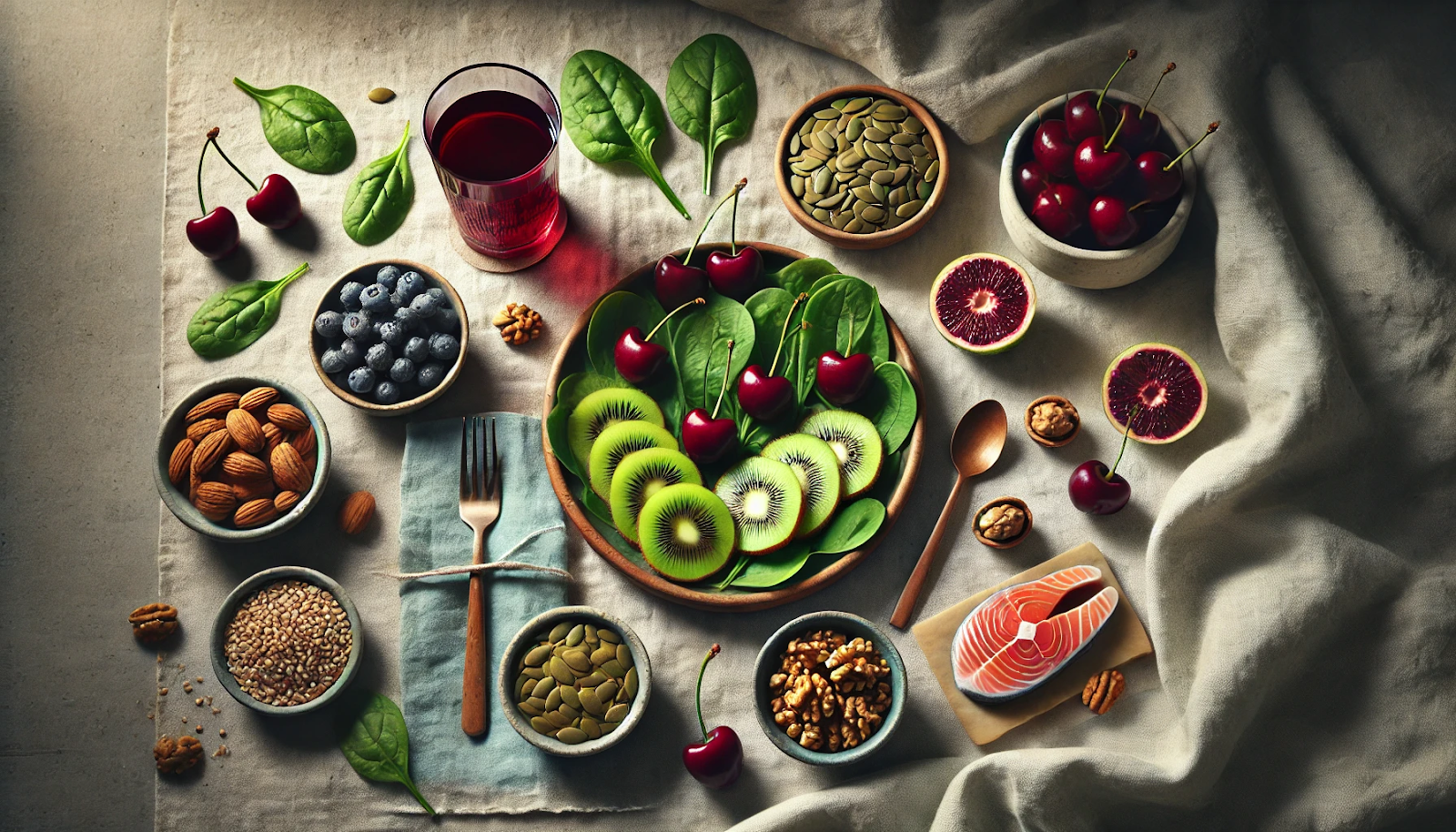
A growing wave of research shows that certain foods that help you sleep can guide the body toward a calmer state. These foods support the internal clock, soothe the nervous system, and strengthen the chemical pathways that shape how easily we fall asleep and how deeply we stay there. The list of standouts includes tart cherries, kiwifruit, fatty fish, whole grains, nuts, seeds, and magnesium-rich vegetables. Each brings something unique to the table, influencing the neurochemistry that helps the body unwind.
This isn’t about shortcuts or fast fixes. It’s about understanding how everyday choices influence nightly rhythms and how you can use sleep promoting foods to create an easier transition into rest.
How Food Affects Sleep
A. The Biological Pathways
Food doesn’t just fuel the body; it communicates with it. Every nutrient sends signals that influence alertness, mood, and sleep readiness. When it comes to foods good for sleep, several compounds play major roles:
- Melatonin: Helps the body recognize that night has arrived
- Serotonin: Sets the emotional and neurological foundation for evening calm
- Tryptophan: A vital amino acid that becomes serotonin and melatonin
- Carbohydrates: Help tryptophan travel into the brain more effectively
- Magnesium: Relaxes muscles and supports calming neurotransmitters
- Omega-3 fatty acids: Found in fish and tied to balanced brain activity
Together, these nutrients help regulate sleep onset, sleep depth, and the continuity of rest. In simple terms: they make it easier to fall asleep, stay asleep, and wake feeling restored.
B. What Research Shows About Whole-Diet Patterns
Research consistently shows that people who follow balanced eating patterns rich in fruits, vegetables, legumes, nuts, seeds, and whole grains tend to sleep longer and more consistently. These diets naturally supply foods that help you sleep better, along with nutrients that support emotional stability, metabolism, and brain health.
On the other hand, diets loaded with sugar and saturated fat often correlate with lighter sleep, more tossing and turning, and slower recovery from daily stressors.
Your sleep quality is not shaped by a single snack before bed. It’s shaped by the overall rhythm of your eating patterns what you eat, when you eat, and how those foods support your nightly biochemistry.
Key Sleep-Related Nutrients
Melatonin
Melatonin acts as a natural evening cue for the body. While supplements get most of the attention, several foods contain small but meaningful amounts of melatonin. These include tart cherries, some grains, eggs, and nuts all powerful additions to a sleep-friendly diet.
Tryptophan
This amino acid is essential for the production of serotonin and melatonin. Turkey, dairy, soy foods, seeds, nuts, and fish are excellent foods high in tryptophan, making them strong allies for earlier and more consistent sleep.
Carbohydrates
Carbohydrates eaten at the right time several hours before bed help the brain absorb tryptophan more easily. This can shorten the period between lying down and falling asleep. High-GI carbs such as jasmine rice make particularly effective early-evening additions.
Magnesium
Magnesium relaxes muscles and supports GABA activity, one of the brain’s primary calming messengers. Spinach, pumpkin seeds, avocados, bananas, and sweet potatoes are powerful magnesium-rich foods for sleep.
Omega-3s & Vitamin D
Fatty fish brings omega-3 fatty acids and vitamin D two nutrients that influence brain activity and daily rhythm. People with stable vitamin D levels often experience fewer night time disruptions.
Tart Cherries & Tart Cherry Juice
Why Tart Cherries Stand Out
Tart cherries are one of the most researched melatonin-rich foods available. They contain melatonin along with polyphenol plant compounds that may support night time repair. Even though their melatonin levels are modest, they consistently show meaningful effects on sleep in scientific trials.
What Studies Reveal
Tart cherry juice has been shown to:
- Extend total sleep time
- Improve sleep continuity
- Increase melatonin metabolites
These results place tart cherries among the most reliable foods that help you fall asleep naturally.
How to Use Tart Cherries
- Drink 1 small glass of tart cherry juice in the evening
- Aim for 1–2 hours before bed
- Choose low-sugar or unsweetened varieties
Individuals monitoring their blood sugar should consume tart cherry juice in small, controlled amounts.
Kiwifruit Before Bed
Why Kiwifruit Supports Sleep
Kiwifruit contains serotonin, vitamin C, carotenoids, and folate. This blend supports emotional regulation, reduces oxidative stress, and helps steady the body’s evening signals.
What the Research Shows
Adults and athletes who ate two kiwifruit one hour before bed reported:
- Faster sleep onset
- Fewer awakenings
- Longer sleep duration
- A calmer evening mood and better overnight recovery
These findings make kiwifruit one of the easiest and most effective foods that make you sleepy in a gentle, natural way.
How to Use Kiwifruit
Eat two kiwifruits roughly one hour before bed, matching the timing used in clinical research.
High-GI Carbohydrates & Sleep Onset
Why Timing Matters
High-GI carbohydrates create a stronger insulin response, which helps tryptophan enter the brain more easily. This primarily affects how quickly you fall asleep, not the entire night.
Key Study Insights
- High-GI meals eaten four hours before bed significantly shortened the time it took to fall asleep.
- The same meal eaten one hour before bed was noticeably less effective.
This demonstrates the importance of timing when using carbs as a sleep-supporting tool.
Practical Takeaways
- Include a moderate serving of high-GI carbs at your early-evening meal.
- Avoid oversized dishes close to bedtime, as they can cause discomfort and interfere with sleep readiness.
Fatty Fish, Omega-3s, and Vitamin D
Nutrients Linked With Better Rest
Fatty fish provides EPA and DHA omega-3 fatty acids tied to brain regulation plus vitamin D, which helps maintain a steady daily rhythm. This combination supports the chemistry of night time stability.
Controlled Trial Findings
People who ate fatty fish regularly experienced:
- Higher sleep efficiency
- More consistent night time patterns
- Fewer awakenings associated with vitamin D levels
Practical Frequency
Aim for 1–3 servings of fatty fish per week to mirror the intake used in studies.
Tryptophan-Rich Proteins
Foods That Supply Tryptophan
Some of the best protein sources for sleep include:
- Turkey
- Chicken
- Fish
- Eggs
- Cheese
- Soy foods
- Seeds and nuts
- Certain grains
These foods help the body build the hormones that guide sleep.
Study Insights
Trials involving high-tryptophan cereals found:
- Longer overall sleep
- Faster sleep onset
- More consistent rest
Participants also showed rises in night time-related chemicals, suggesting improved melatonin and serotonin activity.
Combination Strategy
Pair tryptophan-rich proteins with complex carbohydrates at dinner such as quinoa, rice, or whole grains to support night time chemistry later in the evening.
Magnesium-Rich Plant Foods
Why Magnesium Matters
Magnesium supports muscle relaxation and calming brain signals while also participating in melatonin formation. It’s one of the most reliable foods for better sleep when eaten consistently.
Top Food Sources
- Spinach
- Pumpkin seeds
- Avocados
- Bananas
- Sweet potatoes
Daily Role
Including these foods throughout the day builds a foundation that makes night time rest feel more natural.
Whole-Diet Patterns That Promote Better Sleep
Mediterranean-style eating rich in plants, grains, legumes, nuts, seeds, and fish consistently supports better sleep. People who eat more fiber tend to experience deeper slow-wave sleep, while those who consume more saturated fat often face more night time fragmentation.
Sleep doesn’t respond to single tricks. It responds to the full pattern of how you nourish your body.
Practical Meal & Snack Ideas
Evening Meals (4 Hours Before Bed)
These meals combine sleep-promoting nutrients in balanced portions:
- Salmon with sweet potato and spinach
- Tofu or edamame stir-fry over jasmine rice
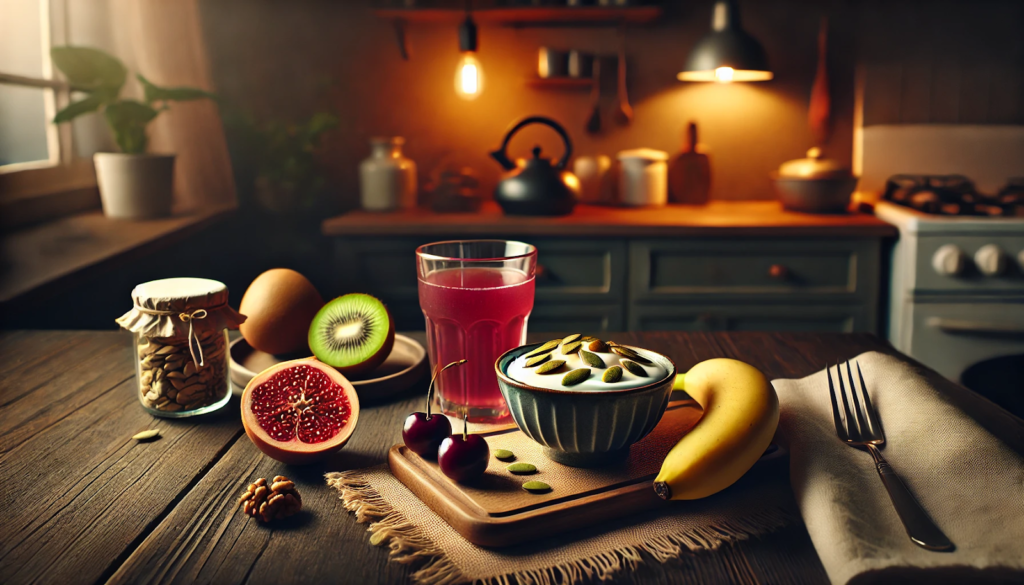
Pre-Bed Snacks (1 Hour Before Bed)
- Two kiwifruits
- Yogurt topped with pumpkin seeds and banana
- Tart cherry juice with a handful of nuts
Portion Guidance
Keep late-night portions small. Heavy meals interfere with relaxation and delay sleep onset.
Foods & Habits That Can Disrupt Sleep
To make the most of foods that help you sleep, try to avoid:
- Caffeine in coffee, tea, chocolate, and energy drinks
- Alcohol, which fragments sleep later in the night
- Heavy or spicy meals
- Ultra-processed foods high in sugar
These disrupt the body’s ability to settle into the deeper stages of rest
Bringing It All Together
Your nightly wind-down is shaped not by a single choice, but by your entire daily rhythm. When your diet includes foods that help you sleep, the body receives the nutrients it needs to ease into calmness. Some people feel a difference with tart cherry juice, others with magnesium-rich vegetables or early-evening high-GI meals. The key is noticing what works for your body and building from there.
Conclusion: Building a Diet That Supports Restful Nights
A sleep-friendly eating routine doesn’t call for dramatic changes. Often, the improvements come from small, steady shifts: a serving of fatty fish a few times a week, two kiwifruits before bed, a sprinkle of pumpkin seeds on a salad, or a glass of tart cherry juice in the evening.
The research continues to grow, but one truth is constant:
What you eat throughout the day helps determine how easily you fall asleep at night.
FAQ: Foods That Help You Sleep
What are the best foods that help you sleep?
Tart cherries, kiwifruit, fatty fish, nuts, seeds, whole grains, and magnesium-rich vegetables are among the most effective.
Can certain foods help me fall asleep faster?
Yes high-GI carbs (timed correctly), kiwifruit, tart cherry juice, and foods high in tryptophan can all support faster sleep onset.
Are magnesium-rich foods good for sleep?
Absolutely. Magnesium supports muscle relaxation and calming brain signals, making it one of the most reliable nutrients for sleep support.
What foods should I avoid before bed?
Caffeine, alcohol, heavy meals, spicy dishes, and high-sugar foods can all interfere with sleep quality.
When is the best time to eat sleep-promoting foods?
Many foods work best when eaten 1–4 hours before bed, depending on the type.