

Best Bedroom Temperature for Sleep
Sleeping well depends on many things, but room temperature is one of the easiest to adjust. Most of us know the frustration of waking up sweaty in a warm room or shivering in a cold one. These temperature swings can break your sleep, shorten deep sleep, and leave you feeling tired the next day which is why understanding the Best Bedroom Temperature for Sleep is so important for consistent, restorative rest.
That’s why many people search for the best bedroom temperature for sleep. But before choosing a number on the thermostat, it helps to answer a simple question that shapes everything that follows: “Is it better to sleep in a cold room or warm?”
This common question is the starting point for understanding how temperature affects your body at night. Once you know which direction supports better sleep, you can narrow down the right range, adjust your bedding, and set up a room that feels calm and restful.
In this guide, you’ll learn why cooler rooms often support better sleep, the temperature range most experts suggest, when warmer rooms are safer, and how to create a bedroom that helps you fall asleep faster and wake up feeling more refreshed. You’ll also get simple steps you can try tonight to find your own comfort zone.
Is It Better to Sleep in a Cold Room or Warm?
The Clear, Simple Answer
For most healthy adults, sleeping in a slightly cool room is better than sleeping in a warm one. Your provided explanation says it clearly:
A slightly cool room is generally better for sleep than a warm one, as long as you are comfortably covered and not actually feeling cold.
This means the air in your room should be cool enough to support good sleep, while your bedding keeps you warm and relaxed. This is the idea behind a “cool-but-cozy” setup.
Warm rooms can cause restlessness, sweating, and more nighttime waking. Cool rooms help your body relax because your core temperature naturally drops before sleep. When your room matches this natural shift, you fall asleep more easily.
How This Question Leads Us to the Ideal Temperature Range
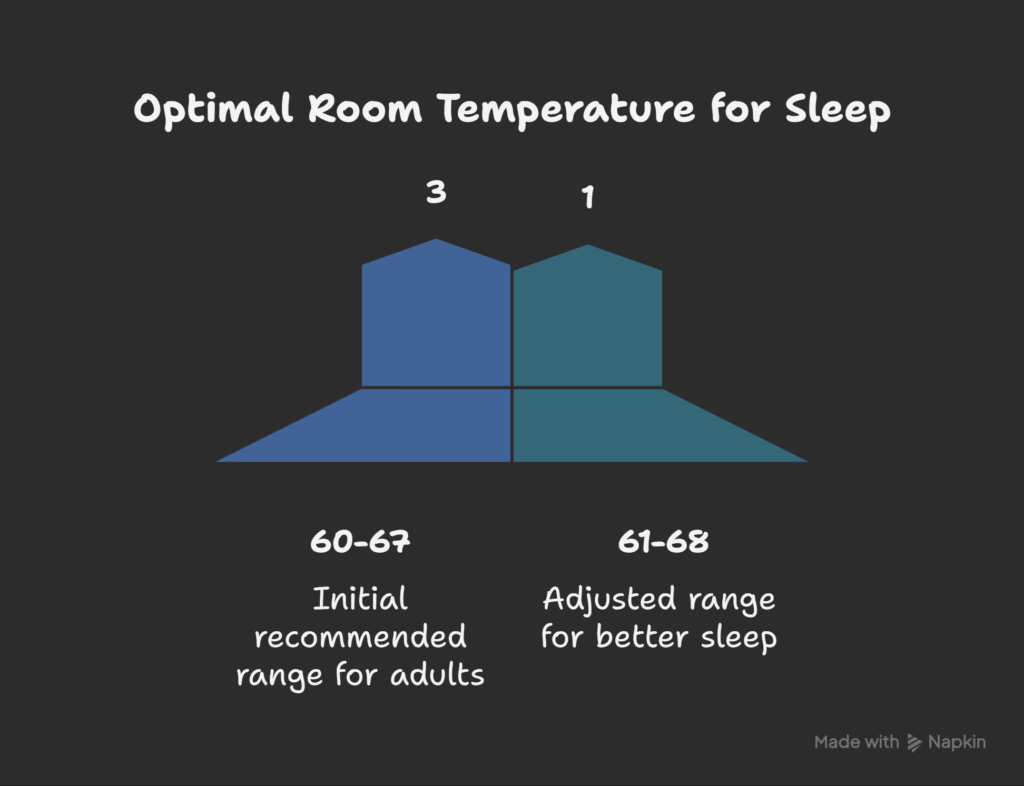
The cold vs warm question guides you toward the temperature range that works best for most adults. Once you know that cooler conditions support better sleep, the recommended range makes sense: 60–67°F (15–19°C).
This gives your body room to cool down while keeping you comfortable under the covers.
Quick Takeaway Box
Cool beats warm as long as you stay comfortably covered and not cold.
IDEAL TEMPERATURE & THE SCIENCE BEHIND IT
Recommended Range for Healthy Adults
Most sleep experts suggest keeping your bedroom between 60–67°F (15–19°C). This range helps your body move smoothly into its nighttime rhythm and supports deeper rest. It’s cool enough to keep your body from overheating but still warm enough to stay comfortable with normal bedding.
Why This Range Works Well
Your body cools down in the evening to prepare for sleep. A cooler bedroom helps this process. When your room is too warm, your body struggles to release heat, making it harder to fall asleep and stay asleep.
This connects directly to the “cold vs warm” question. Since cooler conditions match your body’s natural rhythm, the range of 60–67°F fits well for most adults.
Why Cooler Rooms Improve Sleep Quality
Your Body’s Night time Cooling Process
Your core temperature goes down as bedtime approaches. A cooler room supports this change and helps your body switch into sleep mode more smoothly. If your room is too warm, this cooling process slows down, and falling asleep may take longer.
Melatonin and Nighttime Signals
Cooler temperatures help your body release melatonin, the hormone that signals night. A warm room can interrupt this signal and make your body feel more alert than it should at night. This often leads to longer settling times and lighter sleep.
Deep Sleep & REM Benefits at the Best Bedroom Temperature for Sleep
Cool rooms support deeper stages of sleep, including REM. These stages help your mind and body recharge. Warm rooms can cause lighter sleep and more frequent waking. Sleeping in a cool-but-comfortable room makes it easier to stay asleep and wake feeling rested.
When Cooler Is NOT Better — Safety & Comfort Limits
Minimum Safe Temperatures for Vulnerable Groups
Cool rooms are helpful, but not everyone should sleep in a low-temperature environment. Some people need warmer rooms, including:
- Older adults
- People with heart or lung conditions
- People with circulation or mobility challenges
For these groups, many health organizations recommend keeping bedrooms at 18°C (64°F) or warmer to avoid stress on the body.
Signs the Room Is Too Cold
Even if you’re healthy, a room can still be too cold. Signs include:
- Shivering
- Tense muscles
- Waking up from cold discomfort
- Cold feet or hands that won’t warm up
If you struggle to stay warm under normal bedding, the room is too cold for restful sleep.
Safety First, Then Comfort
The goal is a cool-but-safe bedroom. If you fall into a vulnerable group, start warmer and adjust slowly. Comfort matters more than hitting a certain number. A good sleep environment should help you relax, not fight the cold.
HEALTH BENEFITS & PRACTICAL SETUP
Health Benefits of a Cool But Cozy Room
Sleeping in a room that is cool-but-comfortable can do more than improve how rested you feel. Some studies suggest that cooler sleep settings may support different parts of your body in small, helpful ways.
Metabolism, Weight, and the Best Bedroom Temperature for Sleep
Research shows that spending time in cooler environments may gently increase the activity of brown fat. Brown fat uses energy to help keep your body warm. Over time, this may support healthier energy balance and better blood sugar control. These changes are usually small, but they show how room temperature can influence the body at night.
Immune & Mood Support
Good sleep helps keep your immune system strong and your mood steady. Cooler rooms may help cut down on night sweats and hot flashes, which can interrupt sleep. When you stay asleep longer and wake up less often, your body has more time to repair and recover. Many people notice they feel clearer and calmer the next day after sleeping in a cooler, more comfortable room.
Important Note
These effects are possibilities, not promises. The main benefit of a cool-but-cozy room is simple: it helps you get steady, peaceful sleep. And good sleep supports nearly every part of your well-being.
How to Create the Perfect Cool-But-Cozy Bedroom
You don’t need fancy tools to build a bedroom that stays cool and comfortable through the night. Small changes can make a big difference.
Step-by-Step Temperature Adjustment Guide
If you are a healthy adult, start by setting your room somewhere between 60–67°F (15–19°C). Try that temperature for a few nights in a row.
Ask yourself:
- Do I fall asleep fairly quickly?
- Do I stay asleep most of the night?
- Do I wake up feeling rested?
If not, adjust the temperature by 1–2°F and test again. Within a week or two, most people find a setting that works well for them.
Bedding & Fabric Choices
Your bedding has a big impact on whether you feel cozy or overheated. Choose breathable fabrics such as cotton, linen, or bamboo. These fabrics help release heat and prevent sweating. Layer your blankets instead of using one thick comforter. Layering makes it easy to shift your warmth during the night.
Pajamas & Layering for the Best Bedroom Temperature for Sleep
Wear light, breathable sleepwear. Heavy or synthetic clothing can trap heat and make you uncomfortable. Simple cotton pajamas allow your body to stay at a steady temperature.
Tools to Help Control Temperature
You can support a cooler sleep space with tools like:
- Fans or ceiling fans
- Blackout curtains to block daytime heat
- A portable AC in summer
- A small, safe space heater in winter
- Window insulation to reduce drafts
These tools help keep your room comfortable, even as seasons change.
If You Can’t Control the Thermostat
Some people live in shared housing, apartments, or dorms where they can’t decide the room temperature. Even so, you can still create a cooler or warmer sleep setup that feels comfortable.
If the Room Is Too Warm
Try these ideas:
- Use a fan to move air around the room.
- Place a fan near a window to pull in cooler air at night.
- Choose breathable bedding and lightweight pajamas.
- Keep blinds or curtains closed during the hottest part of the day.
- Use a cooling pillow or mattress pad if you have one.
If the Room Is Too Cold
To stay warm without overheating:
- Use layered blankets instead of one thick one.
- Wear warm socks to help your body relax.
- Add a draft stopper to your door.
- Warm the bed with a hot water bottle before getting in.
- For older adults or people with health concerns, keep the room at or above 18°C (64°F) when possible.
Listen to Your Body
Your comfort matters more than the number on the thermostat. If you feel too cold or too warm, adjust your layers or your bedding. A good sleep environment should help you relax, not tense up.
SUMMARY
The Best Bedroom Temperature for Sleep
The Simple Version
For most healthy adults, the best bedroom temperature for sleep falls between 60–67°F (15–19°C). This range supports your body’s natural cooling process and helps you fall asleep faster. A slightly cool room usually leads to steadier, deeper sleep than a warm one.
The key idea is simple: cool air, warm bedding. This “cool-but-cozy” mix helps your body stay calm, relaxed, and comfortable all night.
Exceptions & Safety Notes
Some people should not sleep in colder rooms. Older adults, people with heart or lung conditions, and anyone who struggles to stay warm should keep their bedroom at 18°C (64°F) or warmer. Babies and young children also need a stable, warm environment.
If you’re in one of these groups, start warm and make small changes only if they feel safe and comfortable.

Action Steps for Tonight
You can begin right away:
- Set your room a little cooler than your daytime setting.
- Use breathable bedding and comfortable layers.
- Adjust your blankets until you feel relaxed.
- Notice how well you sleep and make small changes over the next week.
This simple routine helps you discover the temperature that gives you the best rest.
Conclusion
The right bedroom temperature can transform how well you sleep. Most healthy adults rest better in a slightly cool room, especially when they use cozy, breathable bedding. Older adults and people with certain health conditions may need warmer rooms, but everyone can still create a comfortable setup by adjusting fabrics and layers.
Your goal is a room that feels fresh and cool while your body feels warm, relaxed, and ready for sleep. With a few small steps, you can build a nighttime space that helps you fall asleep smoothly and wake with more energy.
FAQ: Best Bedroom Temperature for Sleep
1. What is the best bedroom temperature for sleep?
Most healthy adults sleep well in a room set between 60–67°F (15–19°C). This range supports your body’s natural cooling pattern at night and helps you fall asleep faster.
2. Is it better to sleep in a cold room or warm?
A slightly cool room is usually better than a warm one, as long as you feel comfortable under your blankets. Cool air helps your body settle into sleep more easily.
3. How do I know if my bedroom is too warm?
Common signs include sweating, restlessness, waking often, and feeling drained in the morning. If these happen often, try lowering your room temperature or switching to lighter bedding.
4. How do I know if my room is too cold at night?
If you shiver, have cold hands and feet that don’t warm up, or wake up because you feel chilled, your room may be too cold for restful sleep. Add soft layers or raise the temperature slightly.
5. Should older adults sleep in cooler rooms too?
Older adults often need rooms that stay at 64°F (18°C) or warmer for comfort and safety. They can still enjoy cooler air, but the room should not be cold enough to cause discomfort.

One Response
this is an amazing blog post