

Bedtime Routine for Adults
We all remember bedtime routines from childhood: the warm bath, the dimmed lights, the familiar rhythm that signaled the day was done. Somewhere between late-night deadlines, endless scrolling, and adult responsibility, many of us quietly abandoned that structure. Yet research now shows that a bedtime routine for adults isn’t childish nostalgia, it’s a critical health strategy. In an age defined by burnout, anxiety, and chronic fatigue, the way you end your day may matter just as much as how you start it.
This article breaks down why bedtime routines matter for adults, what the science says, and how to build a routine that genuinely improves sleep quality. Not hacks. Not gimmicks. Just evidence-backed habits that work.
Why a Bedtime Routine for Adults Matters: The Numbers Don’t Lie
First, the scale of the problem. Sleep deprivation among adults is no longer anecdotal, it’s statistical.
According to the National Heart, Lung, and Blood Institute, 50 to 70 million Americans suffer from chronic sleep disorders, and roughly one in three adults reports not getting enough sleep on a daily basis. Even more telling, nearly 40% of adults fall asleep unintentionally during the day at least once a month. That’s not laziness, it’s physiological overload.
However, there’s a clear counterpoint. A 2024 Sleep polis survey found that 76% of adults who follow a consistent bedtime routine report high sleep quality. In other words, routine works. Not because it’s trendy but because the brain responds to predictability.
So before writing sleep off as something you’ll “catch up on later,” it’s worth understanding what poor sleep actually costs you.
The Health Consequences of Poor Sleep Go Far Beyond Feeling Tired
Sleep deprivation doesn’t just leave you groggy. Over time, it quietly rewires your body in ways that compound risk.
Cardiovascular Health: When Sleep Irregularity Becomes a Risk Factor
Research from Duke Health reveals that adults with irregular sleep schedules tend to weigh more, have higher blood sugar, elevated blood pressure, and face a significantly higher 10-year risk of heart attack or stroke.
More broadly, a 2025 umbrella review analyzing multiple systematic reviews confirmed that sleep deprivation is a major risk factor for hypertension, stroke, and coronary heart disease. Meanwhile, Harvard research published in Sleep Medicine found that sleeping five hours or less per night increases all-cause mortality risk by approximately 15%.
In short, poor sleep doesn’t just age you, it endangers you.
Mental Health: Sleep and the Mind Are Locked in a Feedback Loop
The relationship between sleep and mental health is bidirectional and unforgiving. Poor sleep worsens anxiety and depression; anxiety and depression, in turn, erode sleep quality.
Studies consistently show that adults experiencing chronic sleep loss report higher levels of mental distress, depressive symptoms, anxiety, and increased alcohol use. One particularly stark finding revealed that individuals with a history of insomnia were four times more likely to develop major depression within three years compared to normal sleepers.
A stable bedtime routine for adults doesn’t cure mental illness but it creates the neurological conditions in which emotional regulation becomes possible.
Metabolic and Immune Effects: The Hidden Damage of Short Sleep
Sleep deprivation also interferes with how your body processes energy. In one controlled study, healthy adults restricted to four hours of sleep per night processed glucose significantly more slowly than when allowed eight hours. Over time, this contributes to insulin resistance, weight gain, and increased diabetes risk.
Despite recommendations from the American Academy of Sleep Medicine that adults aim for seven or more hours of sleep per night, roughly 30% of adults fall short night after night.
This is where bedtime routines stop being optional and start becoming essential.
The Science Behind a Bedtime Routine for Adults
So why does a bedtime routine work?
According to sleep experts, routines act as powerful neurological signals. Lauri Laidley, a clinical sleep educator, explains that a sleep routine is essentially a learned pattern that tells the brain: we’re done for the day.
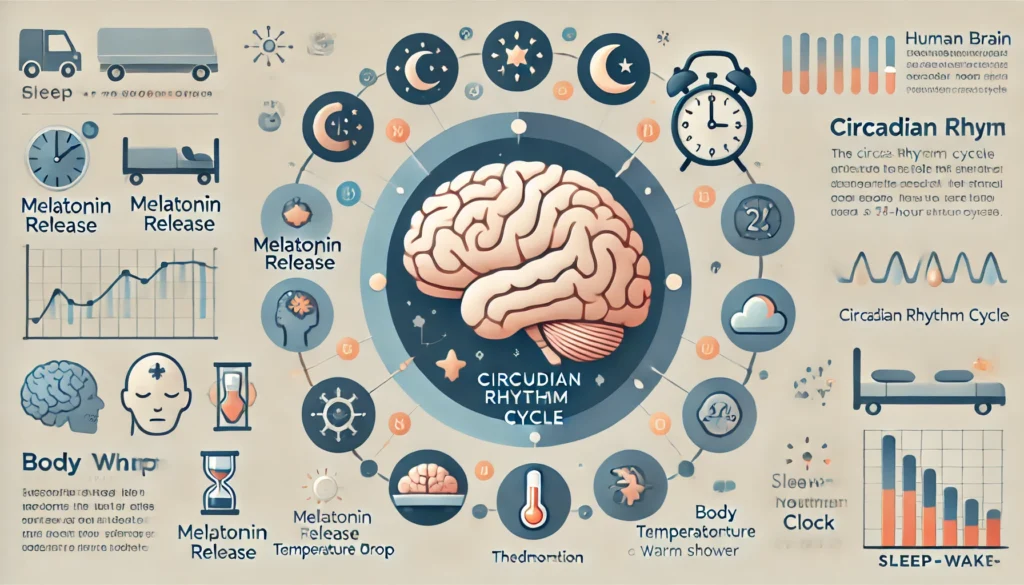
Your body runs on a circadian rhythm, an internal clock regulating sleep, hormone production, body temperature, and alertness. When bedtime habits are consistent, this rhythm becomes synchronized. When they’re chaotic, the system destabilizes.
In simple terms, a bedtime routine for adults trains your brain to expect rest. Over time, that expectation lowers stress hormones, accelerates sleep onset, and improves sleep continuity.
The Problem With Modern Pre-Sleep Habits
Unfortunately, most adults do the opposite.
According to the same Sleep polis survey, over three-quarters of adults watch TV before bed. Phones, laptops, and tablets have become default wind-down tools even though research shows they actively sabotage sleep.
The Blue Light Dilemma Explained
Blue light emitted by electronic devices suppresses melatonin, the hormone responsible for sleep timing. Harvard researchers found that blue light suppresses melatonin for twice as long as green light and shifts circadian rhythms by up to three hours.
The most disruptive wavelengths between 446 and 477 nanometers are exactly what smartphones, tablets, laptops, and LED lighting emit.
However, newer research adds nuance. A 2024 Toronto Metropolitan University study suggests that while blue light does suppress melatonin, its impact can be mitigated if devices are put away at least one hour before bed. Timing and duration matter more than absolute avoidance.
This insight informs how a realistic bedtime routine for adults should work not rigidly, but intentional.
How to Build an Effective Bedtime Routine for Adults (Step by Step)
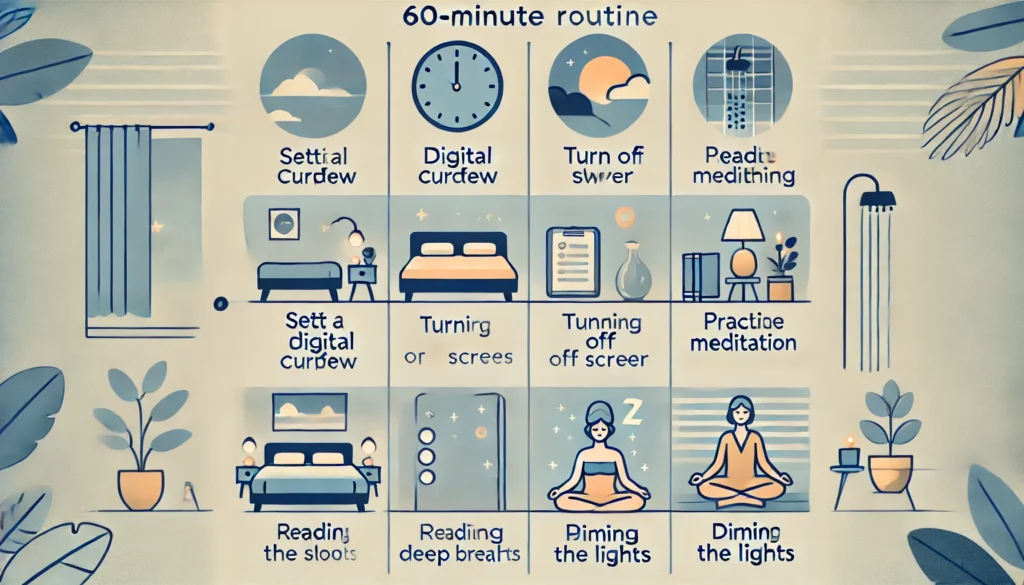
The ideal bedtime routine lasts 30 to 60 minutes and focuses on consistency, calm, and sensory cues. Below is an evidence-based framework.
1. Establish Consistent Sleep and Wake Times
Consistency is non-negotiable. Going to bed and waking up at the same time even on weekends reinforces your circadian rhythm. Over time, your body begins to feel sleepy before you try to sleep.
This is the foundation of any successful bedtime routine for adults.
2. Set a Digital Curfew (60–90 Minutes Before Bed)
Based on current research, aim to put away electronic devices at least one hour before sleep. If device use is unavoidable, enable night mode, use red-light filters, or wear blue-light blocking glasses.
However, the goal isn’t perfection, it’s reducing neurological stimulation.
3. Take a Warm Bath or Shower
Research shows that bathing one to two hours before bed improves sleep quality and duration. The warm water raises your body temperature, and the subsequent cooling mimics the body’s natural sleep signal.
It’s biology working in your favor.
4. Practice Relaxation Techniques
Incorporating relaxation into your bedtime routine for adults helps shift the nervous system from “fight or flight” to “rest and digest.”
- Meditation and mindfulness: A JAMA Internal Medicine study found reduced insomnia, fatigue, and depression among adults who meditated before bed.
- Deep breathing: Even 10–15 minutes can reduce anxiety and heart rate.
- Gentle stretching or yoga: Releases muscular tension but avoids intense exercise within an hour of bedtime.
5. Optimize Your Sleep Environment
Your bedroom should support sleep, not fight it.
- Temperature: Around 65°F (18°C) is optimal for most adults.
- Lighting: Use dim, warm lights in the evening; red light is least disruptive.
- Noise: White noise machines or ambient sounds can mask disruptive noise.
6. Choose Sleep-Promoting Foods and Avoid Sleep Disruptors
What you consume matters.
Foods that promote sleep include:
- Almonds, walnuts, pistachios
- Chamomile tea
- Rice and oatmeal
- Fatty fish like salmon
- Turkey and chicken
Avoid before bed:
- Caffeine (4–6 hours prior)
- Alcohol (disrupts sleep cycles)
- Heavy or spicy meals
- Excess liquids
7. Engage in Calming Activities
Reading remains one of the most effective pre-sleep activities provided the content is calming. Avoid suspense-heavy genres.
Other effective options include:
- Journaling or gratitude practice
- Listening to calming music
- Skincare or personal care rituals
- Light organizing or preparing for the next day
8. Embrace Comfort Objects Without Shame
Interestingly, over two-thirds of adults sleep with a comfort object, a special pillow, blanket, or sentimental item. If it reduces anxiety and increases relaxation, it belongs in your routine.
Comfort is not regression. It’s regulation.
Common Mistakes That Undermine a Bedtime Routine for Adults
Even well-intentioned routines can fail due to a few predictable errors:
- Changing everything at once
- Being inconsistent
- Starting the routine too late
- Ignoring weekends
- Eating or drinking heavily before bed
The key is gradual change and repetition.
Special Considerations
For Shift Workers and Irregular Schedules
If your sleep times vary, focus on routine sequence, not clock time. Darkness, noise reduction, and consistent pre-sleep behaviors still matter.
For Insomnia or sleep disorders
While bedtime routines help, chronic sleep issues may require professional intervention. If symptoms persist after several weeks, consult a sleep specialist.
How to Measure Progress
Give your routine 2–3 weeks before evaluating results. Track:
- Time to fall asleep
- Night-time awakenings
- Morning alertness
- Daytime energy and mood
- Consistency adherence
Progress is often subtle but cumulative.
The Bottom Line: A Bedtime Routine for Adults Is a Health Investment
A bedtime routine for adults isn’t indulgent, it’s foundational. With 76% of routine-followers reporting high sleep quality, and overwhelming evidence linking poor sleep to cardiovascular disease, mental health disorders, and metabolic dysfunction, the case is clear.
Start small. Stay consistent. Adjust as needed.
Your future self-calmer, sharper, healthier will feel the difference long before you consciously notice it. And in a world that never stops demanding more, choosing how your day ends might be the most powerful decision you make.
Frequently Asked Questions: Bedtime Routine for Adults
1. Why is a bedtime routine for adults important?
A bedtime routine for adults helps signal the brain that it’s time to wind down, making it easier to fall asleep and stay asleep. Research shows that consistent night-time habits improve sleep quality, support circadian rhythm regulation, and reduce the health risks associated with chronic sleep deprivation, including cardiovascular and mental health issues.
2. How long should a bedtime routine for adults last?
Ideally, a bedtime routine for adults should last between 30 and 60 minutes. This window gives your body and mind enough time to transition from alertness to rest without feeling rushed or overstimulated.
3. What are the best activities to include in a bedtime routine for adults?
Effective bedtime routines often include calming, low-stimulation activities such as reading, meditation, deep breathing, gentle stretching, journaling, taking a warm bath or shower, and personal care rituals. The key is consistency and choosing activities that help you relax rather than excite your nervous system.
4. Should adults completely avoid screens as part of a bedtime routine?
While it’s not always realistic to eliminate screens entirely, experts recommend reducing screen use at least one hour before bed. Blue light from devices can suppress melatonin, but its effects are largely influenced by timing and duration. Using night modes or blue-light filters can help if device use is unavoidable.
5. How long does it take to see results from a bedtime routine for adults?
Most adults begin noticing improvements in sleep quality within 2 to 3 weeks of following a consistent bedtime routine. Benefits may include falling asleep faster, fewer night-time awakenings, improved mood, and better daytime energy levels.