

Plants That Help You Sleep
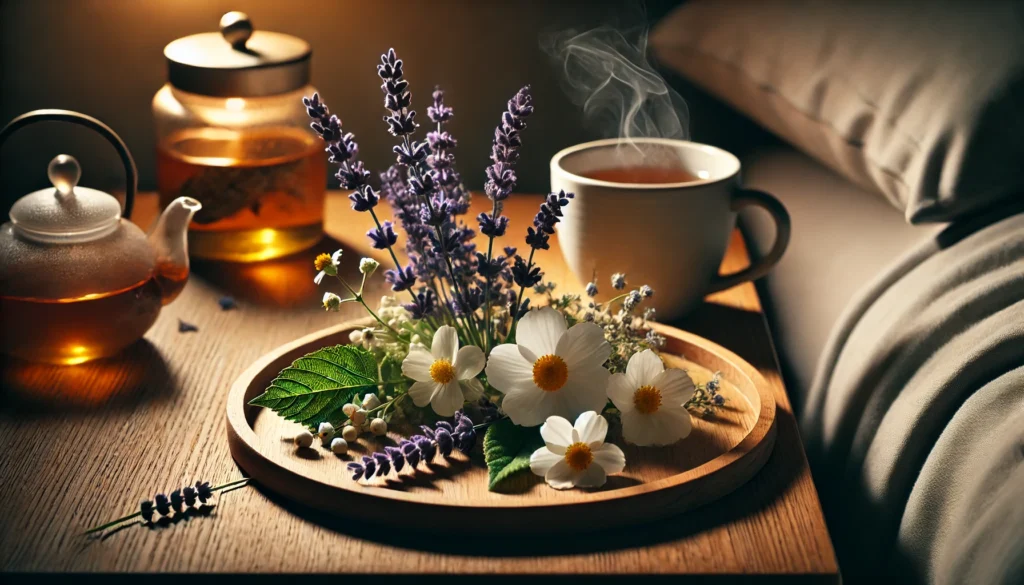
Sleep has become one of modern life’s quiet battlegrounds. We dim the lights, silence our phones, count our breaths yet still lie awake, eyes open, thoughts loud. In response, many people are turning to a gentler approach to plants that help you sleep. Not as miracle cures, but as atmosphere-setters living, breathing elements that soften the edges of bedtime and signal to the body that it’s safe to slow down.
From fragrant lavender to soothing chamomile, sleep-supporting plants are often associated with calming scents, traditional herbal use, and subtle environmental shifts that encourage relaxation. However, it’s important to be clear-eyed. While some plants show promise, evidence varies, effects differ from person to person, and results are usually modest. Still, when used intentionally, plants can become a meaningful part of a sleep-friendly routine.
This guide explores how and why certain plants may support better sleep, how to use them effectively, and what the evidence actually says without hype, and without false promises.
How Plants That Help You Sleep May Work
Before diving into specific plants, it helps to understand how plants are thought to influence sleep in the first place. Generally, their effects fall into three overlapping categories.
1. Calming Scents and Aromatherapy
Many sleep-associated plants release fragrances that people find soothing. Inhaling these scents especially in the evening may promote relaxation, reduce feelings of anxiety, and make it easier to wind down before bed. Importantly, this effect depends heavily on personal sensitivity. What calms one person may overwhelm another.
2. Traditional Herbal Use
Some plants have long histories as teas, tinctures, or extracts used before sleep. While tradition doesn’t equal proof, these practices have shaped modern interest and informed clinical research into compounds that may influence sleep onset or quality.
3. Environmental and Psychological Cues
Plants change how a room feels. They soften hard spaces, introduce ritual, and encourage slower, more intentional habits. While harder to measure, these psychological cues can still play a role in preparing the mind for rest.
Taken together, plants that help you sleep tend to work best not as treatments, but as part of a broader sleep-supportive environment.
Sleep-Promoting Plants to Consider
Lavender (Lavandula)
Lavender is often the first plant mentioned in conversations about sleep and for good reason.
Why it may help:
Lavender’s scent has been widely associated with relaxation and reduced anxiety. Some studies and reviews suggest that exposure to lavender fragrance may support improved sleep quality, particularly for people who struggle with falling asleep rather than staying asleep.
How to use it:
- A potted lavender plant placed near a window
- Dried lavender sachets tucked into bedside drawers
- Essential oil diffusers used briefly before bedtime
Practical notes:
Lavender prefers bright light and well-draining soil. Overwatering is a common mistake. For sleep purposes, short exposure in the evening is often more effective than continuous scent throughout the night.
Things to keep in mind:
Effects tend to be subtle, and not everyone responds positively to lavender’s aroma.
Chamomile (Matricaria chamomilla)
Chamomile’s reputation as a sleep aid is deeply rooted in tradition and it remains one of the most commonly used plants for relaxation.
Why it may help:
Chamomile has been used for centuries as a mild sedative. Some clinical research shows modest improvements in sleep initiation and duration, particularly when consumed as a tea.
How to use it:
- Chamomile tea made from dried flowers
- Fresh or dried blossoms used in sachets
- Growing chamomile in containers or garden beds
Practical notes:
Chamomile thrives in sunny locations and is relatively easy to grow. For bedtime use, tea remains the most common and practical option.
Things to keep in mind:
Results vary, and chamomile may be more helpful for mild sleep difficulties than chronic insomnia.
Gardenia (Gardenia jasminoides)
Gardenia is prized less for ease and more for its intoxicating fragrance.
Why it may help:
Gardenia’s scent is frequently described as calming and stress-reducing. Some sources suggest that inhaling the fragrance may promote relaxation, potentially supporting sleep onset.
How to use it:
- As a flowering indoor plant in warm, humid conditions
- Positioned in bedrooms or nearby living spaces during evening hours
Practical notes:
Gardenias can be challenging to grow indoors, especially in cooler or drier climates. They require consistent care, humidity, and light.
Things to keep in mind:
Evidence for sleep benefits is largely scent-based and consumer-focused rather than clinical.
Valerian (Valeriana officinalis)
Valerian occupies a more complex position among plants that help you sleep.
Why it may help:
Valerian root has been studied for its potential effects on sleep onset and quality. Some trials report improvements, while others find little difference compared to placebo.
How to use it:
- Valerian tea
- Herbal extracts or supplements
- Less commonly grown as an ornamental plant
Practical notes:
Valerian has a strong, earthy smell that some people dislike. It’s more often consumed than displayed.
Things to keep in mind:
Results are mixed, and valerian may interact with medications. Caution and moderation are important.
Jasmine and Other Fragrance-Focused Plants
Jasmine and similar fragrant plants are frequently recommended for their calming presence.
Why they may help:
The benefit here lies primarily in scent. Many people associate jasmine with relaxation and emotional calm, which can support sleep readiness.
How to use them:
- Indoor houseplants or balcony plants
- Positioned where scent is noticeable in the evening
Practical notes:
The impact is highly personal. Fragrance intensity and individual sensitivity matter more than the plant itself.
Things to keep in mind:
These plants are best viewed as environmental enhancers rather than sleep aids.
How to Use Plants That Help You Sleep Effectively
Simply owning a plant isn’t enough. How and where you use it makes a difference.
Placement Matters
Position scented plants in areas where you spend time winding down, such as bedrooms or adjacent living spaces. Direct bedside placement isn’t always necessary.
Timing Is Key
Short exposure before bed often works better than continuous scent overnight. This helps prevent sensory overload.
Ventilation and Comfort
Ensure good airflow, especially with strongly scented plants. Overheated rooms or overpowering fragrances can disrupt sleep.
Safety First
If you live with pets or children, check plant safety before placing them in accessible areas.
Pairing Plants With Good Sleep Hygiene
Plants that help you sleep work best when paired with supportive habits.
Consider combining plant use with:
- Dimming lights one to two hours before bedtime
- Maintaining a consistent sleep schedule
- Limiting caffeine after midday
- Keeping the bedroom cool, quiet, and comfortable
In this context, plants act as cues signaling the transition from stimulation to rest.
Evidence Snapshot: What We Know and What We Don’t
The research on plant-based sleep support is mixed.
- More promising: Lavender and valerian show potential benefits in some studies.
- Less conclusive: Chamomile, gardenia, and jasmine rely more on tradition, scent, and individual response.
Many studies are limited by small sample sizes, short durations, or inconsistent methodologies. While most plant-based approaches are considered generally safe, stronger research is still needed to clarify who benefits most and how.
Air-purifying claims are also common in popular articles. However, the direct impact of improved indoor air quality on sleep outcomes remains under investigation.
Trying It Yourself: A Simple Personal Trial
Because sleep is deeply individual, a short personal trial can be useful.
- Choose one plant or approach
- Use it consistently for one to two weeks
- Pay attention to sleep onset, relaxation, and overall sleep quality
If there’s no noticeable benefit or if irritation occurs it’s reasonable to stop or adjust.
Conclusion: Cultivating a Sleep-Friendly Environment
Plants that help you sleep won’t knock you out like medication. Instead, they work quietly through scent, atmosphere, and ritual. When used thoughtfully, they can contribute to a calmer bedtime environment and a gentler transition into rest.
In a world obsessed with instant fixes, there’s something grounding about tending to a plant, breathing in its fragrance, and letting sleep arrive on its own terms.
FAQ
1. What are the best plants that help you sleep naturally?
Some of the most commonly recommended plants that help you sleep include lavender, chamomile, jasmine, gardenia, and valerian. These plants are typically associated with calming scents or traditional relaxation uses. Their effects are generally subtle and work best when combined with good sleep habits rather than used as standalone solutions.
2. Do plants that help you sleep actually improve sleep quality?
Plants that help you sleep may support relaxation and sleep readiness, particularly through scent and environmental cues. While some people report falling asleep more easily, results vary widely. These plants are best viewed as part of a sleep-friendly environment rather than guaranteed sleep aids.
3. Should plants that help you sleep be kept in the bedroom?
Yes, many people place plants that help you sleep in bedrooms or nearby spaces where they unwind before bed. However, strongly scented plants should be positioned with care, as excessive fragrance can be stimulating for some individuals. Proper ventilation and personal comfort are key.
4. Are plants that help you sleep safe for pets and children?
Not all plants that help you sleep are safe for pets or young children. For example, certain flowering or herbal plants may be toxic if ingested. Always check plant safety guidelines before placing them in accessible areas, especially in shared living spaces.
5. How long does it take to notice benefits from plants that help you sleep?
The impact of plants that help you sleep can often be noticed within one to two weeks, if they help at all. Since sleep is influenced by many factors, it’s best to treat plant use as a short personal trial and assess whether it improves relaxation or sleep quality over time.